These are our top six recommendations for greatly increasing your financial literacy, enabling you to more confidently & clearly negotiate the complicated realm of personal finance. We’ll go over useful tactics and tools that will give you the information & abilities you need to make wise financial decisions, create a safe future, and eventually reach your financial objectives. Think of this article as a compass, helping you navigate the frequently perilous waters of money management. It’s important to have a solid grasp of basic financial concepts before we start implementing particular strategies. This bedrock serves as the unseen foundation for all prudent financial planning.
Without it, all subsequent financial decisions are precarious & vulnerable to changes in the economy and individual circumstances. Before we can hope to write our financial success story, we need to learn the alphabet of finance. Saving and budgeting are the cornerstones of personal finance. Budgeting is the discipline at the core of financial literacy. It’s not just about keeping tabs on your finances; it’s also about proactively allocating them to your goals.
If you’re looking to enhance your betting strategy, you might find the article on betting arbitrage particularly insightful. It delves into various techniques that can help serious gamblers maximize their profits while minimizing risks. To explore these strategies further, check out the article here: Discover the Hidden Goldmine: Betting Arbitrage Strategies for Serious Gamblers.
Consider a budget as a financial road map that shows you how to get where you want to go, be it retirement, a down payment on a house, or just financial security. Creating a Budget That Is Realistic. An honest evaluation of your earnings and outlays is necessary to develop a reasonable budget. We must distinguish between our needs & wants, understanding that although resources are limited, desires are abundant.
Every dollar spent, from big recurring bills to tiny, seemingly insignificant daily purchases, must be meticulously tracked. This process can be facilitated by a variety of tools, from basic pen and paper to complex budgeting applications. The objective is to obtain a detailed understanding of your cash flow.
Try Now and experience the amazing features of our new product.
Saving: The Science & Art. The proactive act of putting money aside for future needs is called saving. It’s the difference between living paycheck to paycheck and creating a safety net for unforeseen circumstances and upcoming opportunities. We need to develop an attitude that sees saving money as an investment in our future selves rather than a sacrifice.
If you’re looking to enhance your betting experience, you might find valuable insights in a related article that discusses effective strategies for betting on horse racing. This piece offers tips that can help you make more informed decisions and improve your odds. For more information, check out the article on betting strategies that can complement your approach to 6 bet.
| Category | Metric |
|---|---|
| Total bets placed | 100 |
| Winning bets | 60 |
| Losing bets | 40 |
| Average bet amount | 50 |
Your financial safety net is your emergency fund. A financial life raft is similar to an emergency fund. It’s an easily accessible fund designed to cover unforeseen costs like major home repairs, medical emergencies, or job loss. Try to accumulate enough money to cover three to six months’ worth of necessities. When life throws us a curveball, this buffer keeps us from ruining our long-term financial plans.
Saving with a Goal: Short-Term vs. Extended. Making the distinction between short-term and long-term savings objectives is essential for efficient resource allocation. More easily accessible savings are needed for short-term objectives like vacation funds or new appliance purchases. Long-term objectives, like retirement or a child’s college education, can benefit from investment vehicles that may yield larger returns over longer time horizons.
The Power of Knowing Debt: Should I Use It or Avoid It? There are two sides to debt. It can be an effective tool for accomplishing important objectives, like becoming a homeowner or growing a business, if handled properly. But if it is not handled properly, it can become an oppressive burden that impedes development and causes a great deal of stress.
It is crucial to comprehend the workings & ramifications of various forms of debt. Good Debt vs. Bad Debt: An Important Difference. We must learn to distinguish between “bad” debt, which is incurred for depreciating assets or consumption (such as high-interest credit card debt for non-essential purchases), and “good” debt, which is usually linked to assets that increase in value (such as a mortgage on a home). While the latter depletes our financial resources, the former can be a catalyst for wealth creation. Techniques for managing & lowering debt.
A methodical approach to debt reduction and management is crucial for individuals who are struggling with debt. This frequently entails giving high-interest debt priority for quicker repayment, looking into consolidation options, and implementing debt-avoidance tactics. Consider this as carefully tearing down a financial barrier that prevents us from being financially independent. Investigating the world of investing makes sense after we have a solid financial foundation.
Investing is a basic process that enables our money to grow over time, surpassing inflation & creating wealth for the future, so it’s not just for the wealthy. It’s about sowing seeds now that will produce fruit later. Stocks, Bonds, & Other Investment Vehicles: An Overview. The world of investing can seem intimidating because it is full of technical terms and jargon.
Nevertheless, it is possible to comprehend the fundamental building blocks. We must become acquainted with the risk-reward profiles of common investment vehicles. Stocks: Company Ownership. Investments in publicly traded companies are represented by stocks. Purchasing stock entitles us to share in the potential growth & profitability of the business.
Although there are inherent risks related to market fluctuations, this can be a potent way to gain from economic expansion. Bonds: Loans to businesses and governments. In essence, bonds are loans that we give to businesses or governments. We get regular interest payments in exchange for lending our money, and our principal is returned when it matures. Compared to stocks, bonds are typically thought to be less volatile, making them a more conservative investment choice.
ETFs and mutual funds: Easy Diversification. Exchange-Traded Funds (ETFs) and mutual funds provide a practical means of investment diversification. They purchase a basket of securities by pooling the funds of numerous investors, enabling immediate diversification across a range of asset classes. This lowers the risk of investing in a single stock or bond, much like having a pre-made investment portfolio. The Diversification Principle states that you shouldn’t put all of your eggs in one basket.
The foundation of wise investing is diversification. It entails distributing our investments among various industries, asset classes, and geographical areas. The idea is straightforward: even if one investment fails, others might do well, reducing total losses. This approach is similar to creating a diverse crop portfolio to withstand various weather conditions.
Asset Allocation: Risk and Return Balance. The process of choosing how to split our investment portfolio among various asset classes, such as stocks, bonds, & real estate, is known as asset allocation. This is a crucial choice that directly affects the amount of risk and possible return we can anticipate. It’s a careful balancing act that takes into account each person’s unique risk tolerance and investment horizon. Recognizing your investment horizon and risk tolerance.
Evaluating our individual risk tolerance and investment horizon is essential before making any investments. Investment horizon is the amount of time we plan to keep our money invested, whereas risk tolerance is our degree of comfort with possible investment losses. These two elements inform our investment strategy and are inextricably linked. Are You a Cautious Planner or a Daredevil in Your Risk Tolerance?
The kinds of investments we make will depend on whether we are willing to accept the possibility of large short-term losses in exchange for the possibility of greater long-term gains, or if capital preservation is our top priority. The timeline for your financial objectives is known as your investment horizon. Since there is more time to recover from market downturns, a longer investment horizon typically permits a larger allocation to growth-oriented assets with higher volatility potential. A shorter horizon, on the other hand, calls for a more cautious strategy.
In today’s financial world, credit is crucial since it affects our capacity to get loans, rent an apartment, and even land some jobs. It’s similar to having a passport to financial opportunities when you build and maintain a high credit score. It’s essential to comprehend how credit operates and how to handle it appropriately. The Workings of Credit Scores: An Overview of Their Nature and Significance.
A three-digit figure that indicates your creditworthiness is called a credit score. Lenders use it to evaluate the risk of making a loan to you. It is a snapshot of your financial behavior. Better loan terms & interest rates are typically associated with higher scores. Your credit score is influenced by various factors.
Your payment history, amounts owed, length of credit history, credit mix, and new credit are some of the important factors that affect your credit score. We must comprehend the ways in which each of these factors influences our financial standing. Techniques for Establishing Credit. A proactive approach is necessary for those who are just beginning their financial journey or looking to improve their current credit.
This entails acting responsibly with money over time. The first step is using credit cards responsibly. One of the most important steps in establishing good credit is responsible credit card use.
This entails avoiding overspending, making payments on time, and maintaining a low credit utilization rate. Consider a credit card as a tool; when used sensibly, it can help, but when used carelessly, it can cause harm. The Value of Paying on Time. Your credit score is largely determined by your payment history.
Building a solid credit profile requires you to pay your bills on time each and every time. Defending Your Credit Identity: Preventing Fraud. It is crucial to safeguard your credit identity from fraud & identity theft in the current digital era. Your finances may suffer greatly if your credit is used without authorization.
Keep a regular eye on your credit reports. We should routinely check for errors or fraudulent activity in our credit reports from the major credit bureaus. In the event that our identity has been compromised, this proactive measure enables us to contest mistakes and act quickly. bolstering your online security protocols.
Strong online security practices are essential for protecting our financial information. These practices include creating strong passwords, turning on two-factor authentication, and being alert for phishing attempts. From student loans to mortgages, borrowing money is frequently a necessary part of life. To stay out of debt traps, it is essential to comprehend the terms and conditions of loans and manage them skillfully. We need to approach borrowing with the same diligence that we do when earning.
Knowing the Various Loan Types. We can save a lot of money & stress by being aware of the subtle differences between different loan types. The structures and consequences of mortgages, auto loans, personal loans, and student loans vary.
Mortgages: Purchasing a House. Long-term loans used to finance the purchase of a home are called mortgages. We must comprehend loan terms, fixed-rate versus adjustable-rate mortgages, & how interest rates affect monthly payments and total expenses. Student loans are an investment in your education. Higher education is frequently financed through student loans.
We need to be aware of the distinctions between federal and private loans, comprehend our options for repayment, and think about how student loan debt will affect our financial situation in the long run. The secret to managing loans effectively. Understanding our responsibilities and looking for ways to lower the cost of borrowing are essential components of effective loan management, which goes beyond just making payments.
Strategic Extra Payment Making. Making additional payments on loans, particularly those with higher interest rates, can shorten the repayment period and drastically lower the total amount of interest paid over the loan’s life. It is similar to chipping away at a mountain to reduce its size more quickly. Refinancing: Your Interest Rate May Be Lowered. In order to pay off an existing loan, refinancing entails taking out a new loan, frequently with the intention of obtaining a lower interest rate or better repayment terms. Long-term borrowing costs can be significantly decreased in this way.
Steer clear of predatory lending techniques. Predatory lenders who offer loans with outrageous interest rates and unfair terms need to be watched out for. Being able to spot the warning signs of predatory lending is essential to our own protection.
identifying warning indicators. Predatory lending may be indicated by high fees, coercive methods, & ambiguous loan terms. Before signing any loan agreement, we should always review the fine print and get independent counsel.
Managing our present finances is only one aspect of financial literacy; another is making proactive plans for our future, especially retirement. Foresight and persistent work are necessary to secure our financial future. Your Golden Years Investment is your retirement savings.
For many, saving for retirement is the most important long-term financial objective. The earlier we start, the more time our investments have to increase, taking advantage of compound interest. Understanding Retirement Accounts: 401(k)s, IRAs, & More. We must become knowledgeable about the different retirement savings options, including individual retirement accounts (IRAs) and employer-sponsored 401(k) plans. Each has unique contribution caps and tax benefits. Allowing your money to grow exponentially is known as the “Power of Compounding.”.
The process by which investment profits create their own profits is known as compounding. It resembles a snowball that is rolling down a hill, accumulating more snow and getting bigger faster. Compounding becomes more effective the earlier we begin saving. How Much Is Enough for Your Retirement Needs? One of the most important aspects of successful planning is figuring out how much money we will require in retirement. This entails projecting our anticipated living expenses, taking inflation into account, and accounting for possible medical expenses.
Estate Planning: Preserving Your Legacy. Financial planning extends beyond retirement to include estate planning, which entails arranging our possessions and affairs to guarantee that they are allocated in accordance with our final desires. Trusts and Wills: Organizing Your Property. Legal documents that specify the management and distribution of our assets are wills and trusts. By being aware of these tools, we can minimize potential estate taxes and support our loved ones.
The designation of decision-makers through powers of attorney. In the event that we become incapacitated, powers of attorney give people the power to make financial and medical decisions on our behalf. This guarantees that even if we are unable to express our desires, they will be honored. Insurance: Preserving Your Financial Security.
One important defense against unanticipated financial disasters is insurance. It serves as a means of shifting risk from us to an insurance company. Life Insurance: Providing for Your Dependents. In the event of our death, life insurance offers our dependents a financial safety net.
Our unique situation and financial commitments determine the kind and quantity of coverage required. Managing Medical Costs with Health Insurance. To control the high expenses of medical care, health insurance is crucial.
Ensuring access to essential healthcare requires an understanding of various plan options and coverage details. The financial industry is a dynamic ecosystem that is continuously impacted by changes in the economy, new developments in technology, and changing laws. Financial literacy is therefore a continuous process of learning and adaptation rather than a destination. We must continue to be inquisitive and dedicated to ongoing progress. Resources for Continuing Education: Embracing Lifelong Learning.
Financial literacy should be a lifetime goal. Fortunately, there are many resources available to help with our continued education. Deep Dives into Financial Concepts in Books and Publications. Numerous outstanding books and publications are devoted to personal finance, providing in-depth analysis and useful guidance on a variety of subjects. Think of them as fountains of financial knowledge.
Webinars and Online Courses: Easily Accessible Information. Financial literacy courses and webinars are available on a variety of online platforms, making education convenient and accessible. These can be excellent for learning about particular subjects or getting a general idea.
Market analysis and financial news: Keeping up to date. Understanding current economic trends and how they might affect our financial decisions requires staying up to date on financial news and market analysis. It is comparable to having a financial climate weather report.
adjusting to shifts in the economy & market. Cycles in the economy are unavoidable. We need to learn how to be resilient and adaptable so that we can deal with growth and downturns without making rash, bad choices.
Knowing market volatility & recessions. Understanding and going through market downturns is a part of the investing process. Financial maturity is demonstrated by the ability to maintain composure during erratic times & to see declines as possible buying opportunities. Modifying Your Money Plan. Our financial plans shouldn’t be rigid.
We must be ready to reevaluate and modify our plans in response to changes in our circumstances, such as marriage, having children, advancing in our careers, or changes in the economy. consulting a professional when necessary. Even though self-education is essential, there are situations when getting expert financial advice is priceless.
Personalized advice & knowledge can be provided by financial advisors. Financial Advisors: Professional Help with Difficult Choices. We can navigate complicated investment strategies, develop thorough financial plans, and make well-informed decisions based on our individual objectives and risk tolerance with the assistance of a qualified financial advisor. They can serve as knowledgeable guides on our financial journeys. When to Seek Professional Advice.
Consulting a financial expert is frequently a wise move when making important financial decisions, such as managing large assets, retirement planning, or estate planning. In these crucial areas, they can offer assurance and clarity. By adopting these six best practices, we give ourselves the information, resources, and perspective necessary to not only comprehend but also actively manage our finances. Developing our financial literacy is an investment in ourselves that will pay off in the long run with opportunities, security, and peace of mind.
.
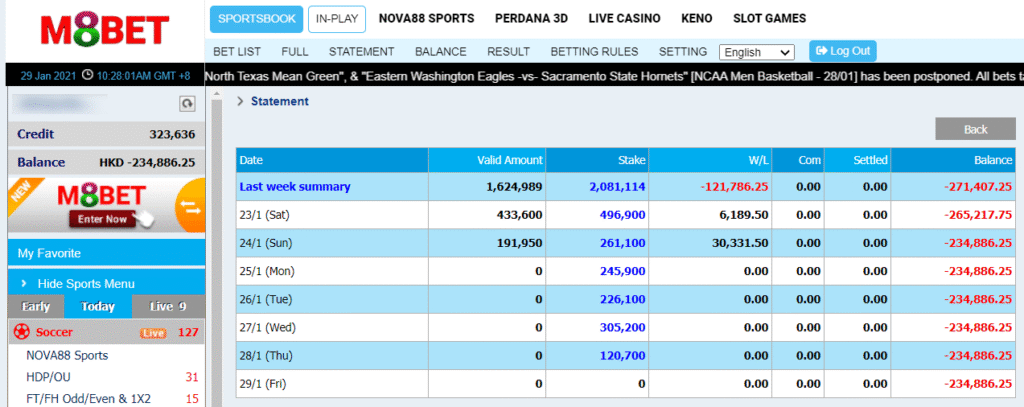
Free credit offer
FAQs
What is 6 bet?
6 bet is a type of betting where the bettor selects six different outcomes and places a wager on all possible combinations of those outcomes.
How does 6 bet work?
In 6 bet, the bettor selects six different outcomes and places a wager on all possible combinations of those outcomes. This means that there are a total of 15 different bets placed in a 6 bet.
What sports can 6 bet be placed on?
6 bet can be placed on a variety of sports, including but not limited to football, basketball, baseball, and horse racing.
What are the potential payouts for 6 bet?
The potential payouts for 6 bet can vary depending on the odds of the selected outcomes. If all six outcomes are correct, the bettor stands to win a significant payout.
What are the advantages of 6 bet?
One advantage of 6 bet is the potential for high payouts if all six outcomes are correct. Additionally, it can add excitement to watching a sporting event as the bettor has a stake in multiple outcomes.